Custom 3D Printing Service — Send a File, Get a Finished Part
Custom FDM printing · Workshop in Poland
Send me an STL, STEP or 3MF file — or just a sketch and a few measurements — and I’ll print it in PLA, PETG, ABS or TPU. You get a free quote before anything goes on the printer, and if something in the model won’t print well, I’ll tell you before, not after.
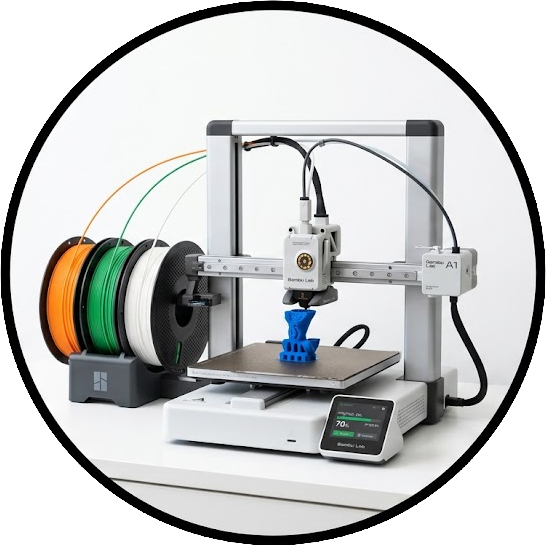
- 7+ yearsof hands-on 3D printing
- 2–5 business daystypical lead time after approval
- From 1 pieceto short runs of a few dozen
How it works
Send your file
Email the file with the material (or what the part is for), quantity, color and deadline. No file? A sketch with dimensions or photos with a ruler in the frame will do.
Get a quote
I check the model, choose orientation and settings, and send you a price and lead time — usually the same business day. It’s free and you’re not committed to anything.
I print it
Once you confirm, the part goes on the printer. For parts that have to fit something, I can print the critical section first as a quick test.
Delivery
Every part is checked before it’s packed. Shipping and payment options are confirmed together with your quote.
Recent work
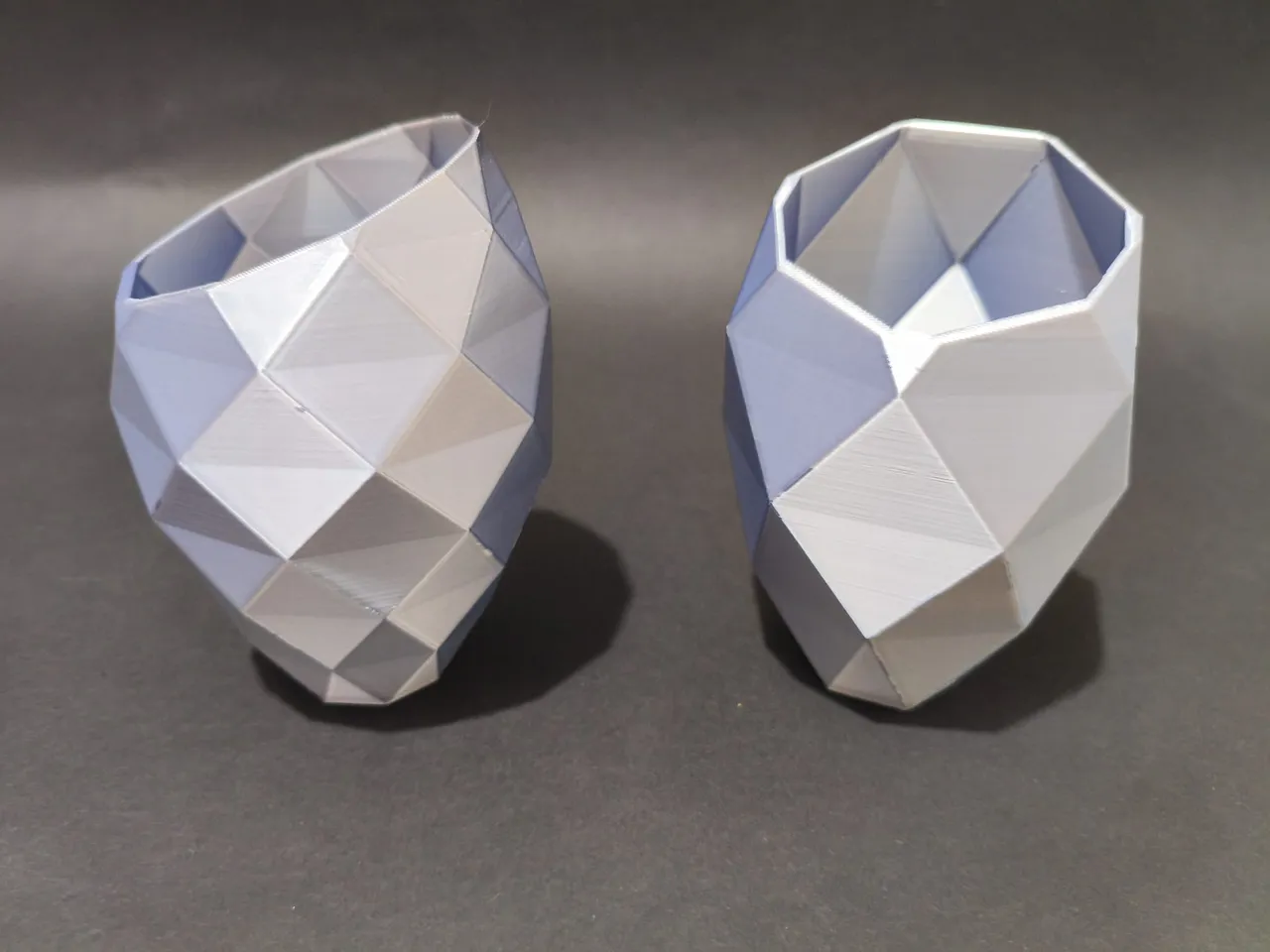
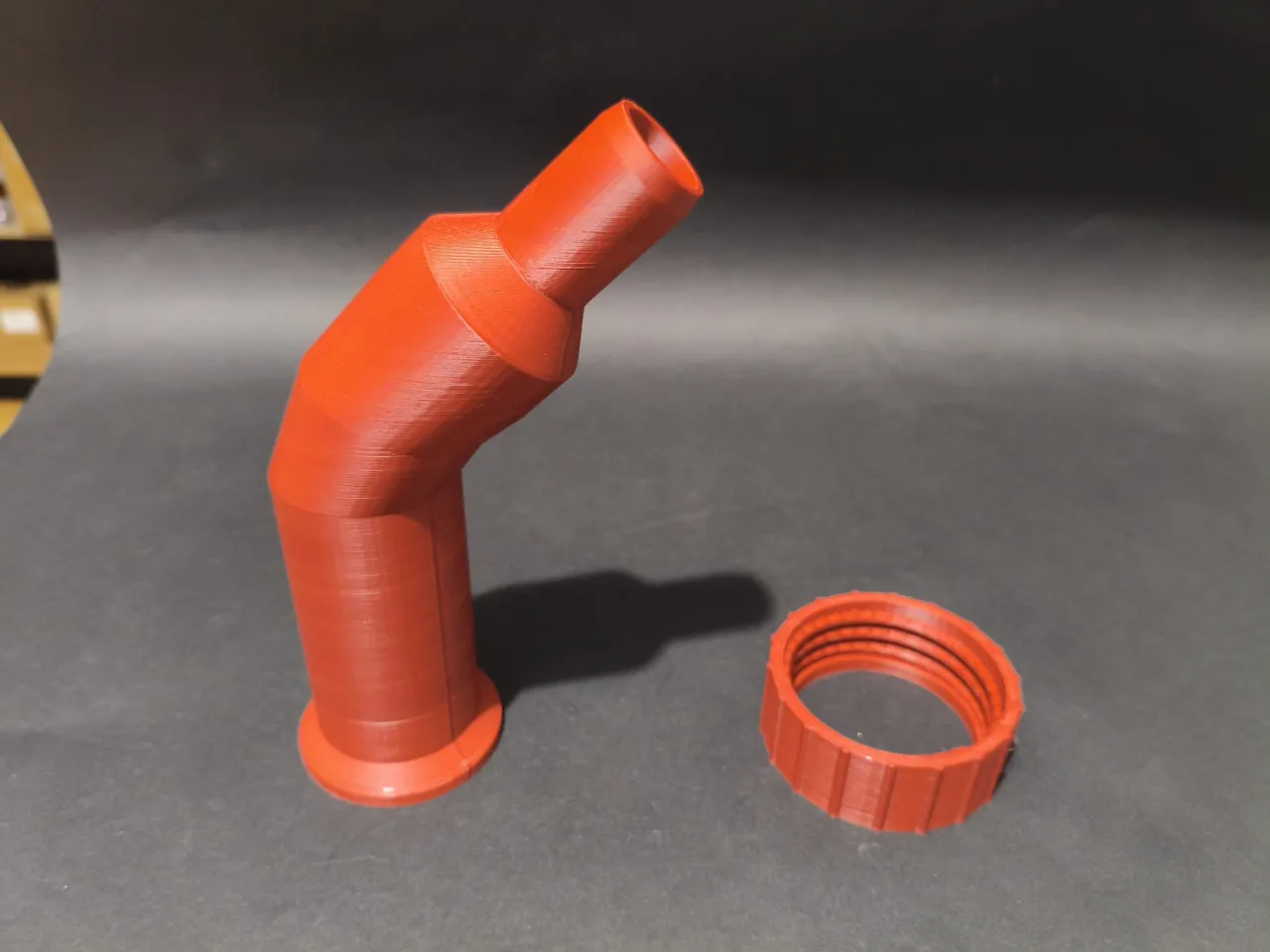
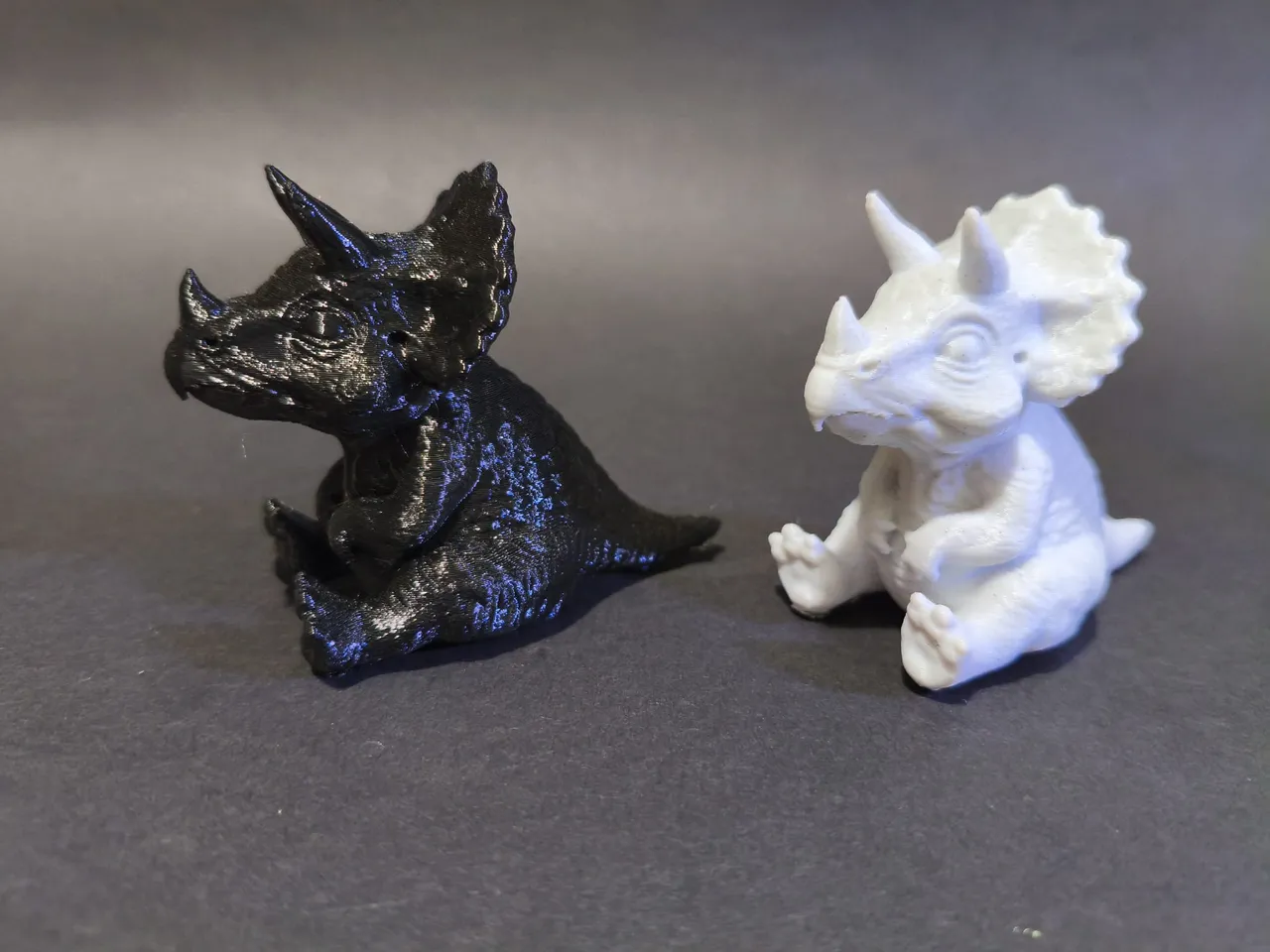
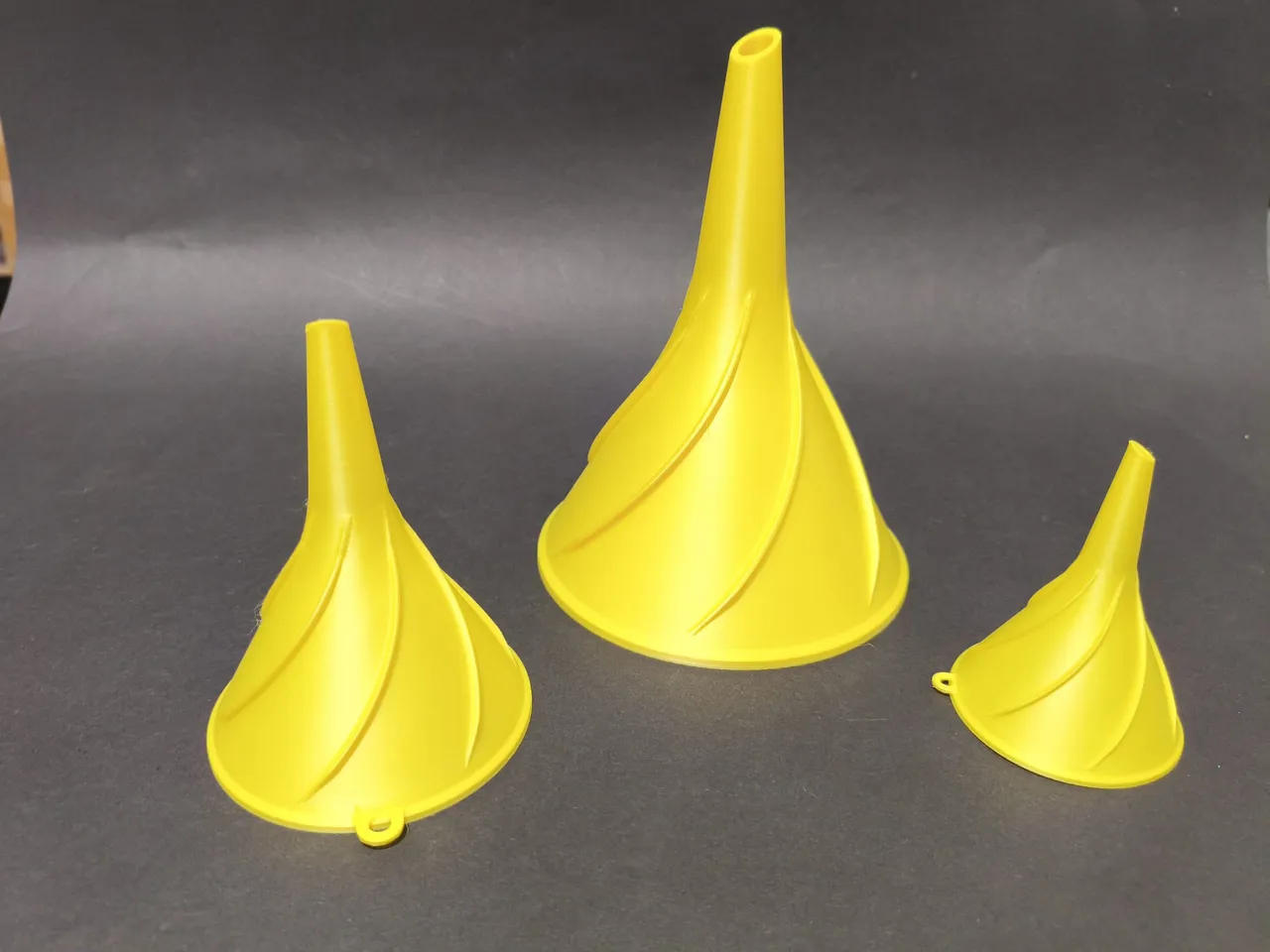
Every photo below is a real part from my workshop, not a render. Different jobs, same process: a file or an idea, a quote, a print.
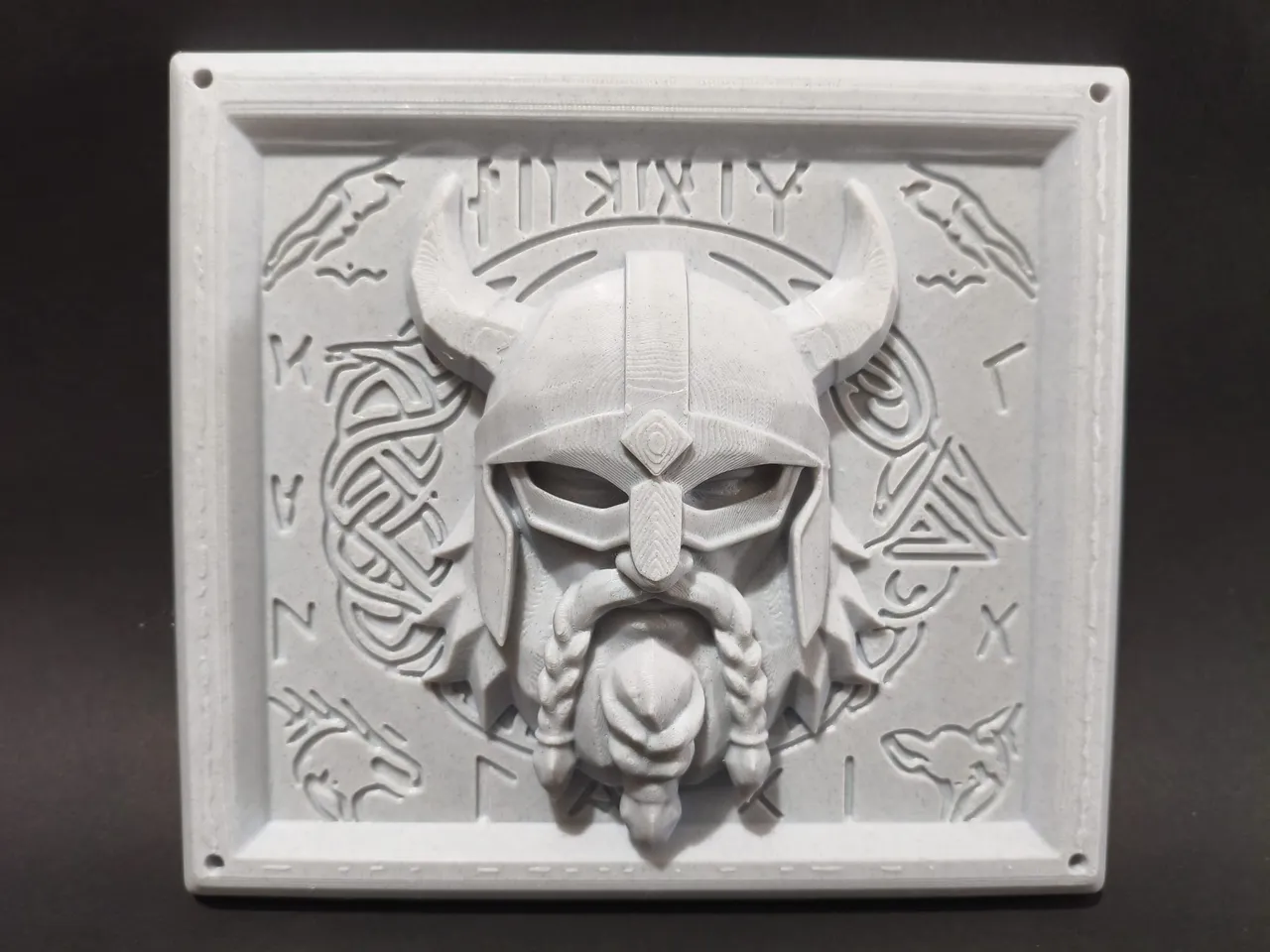
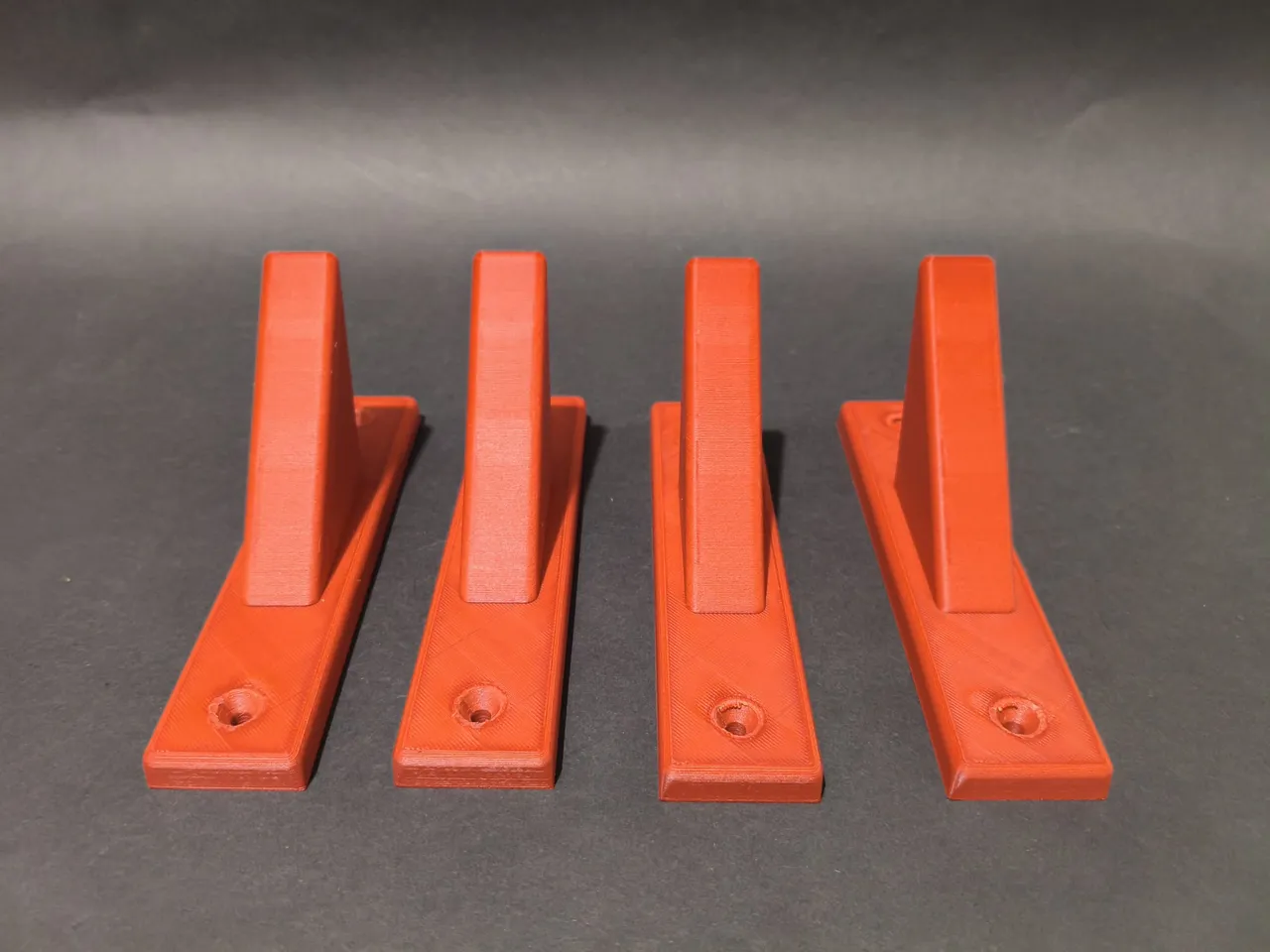
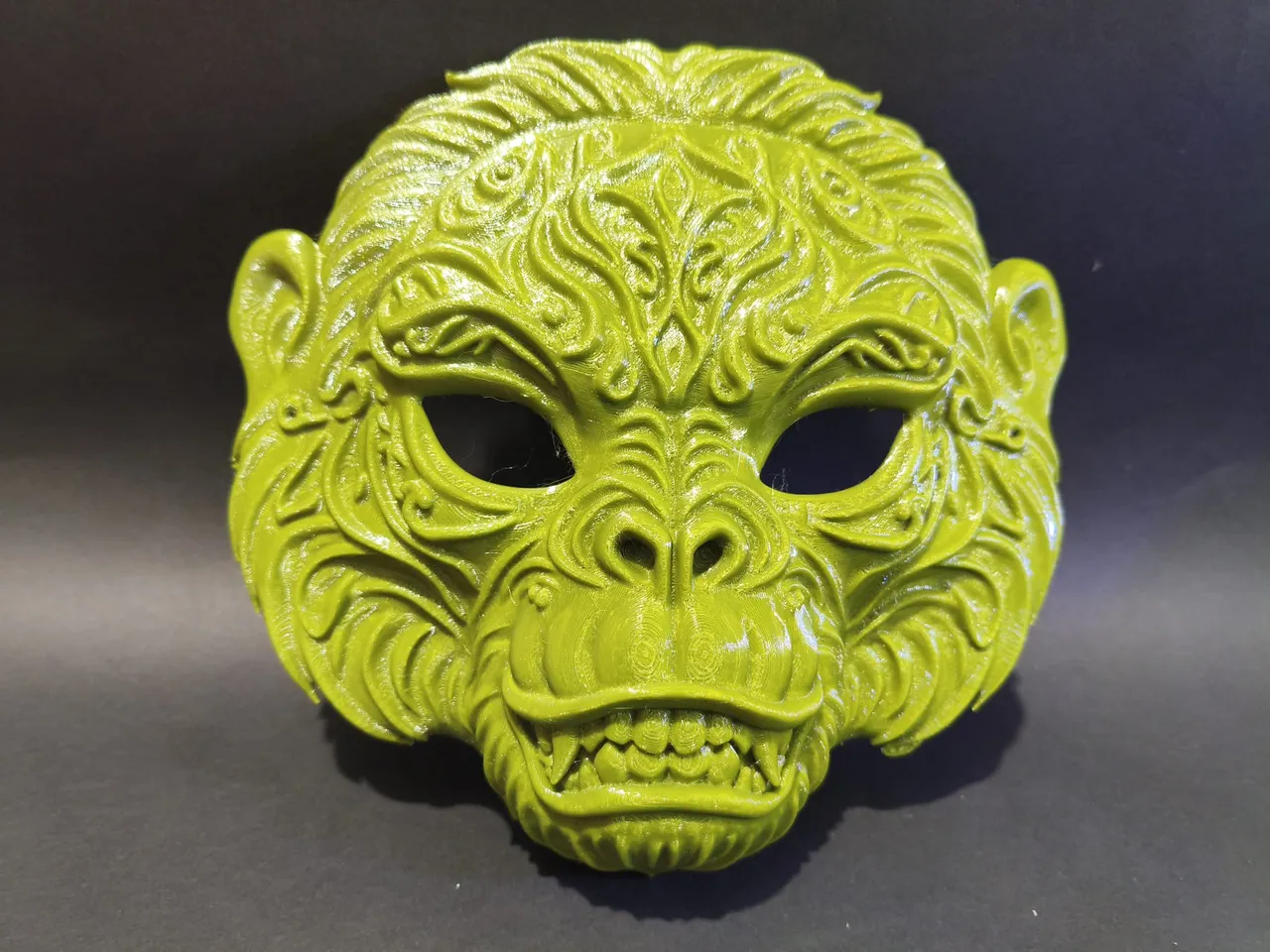
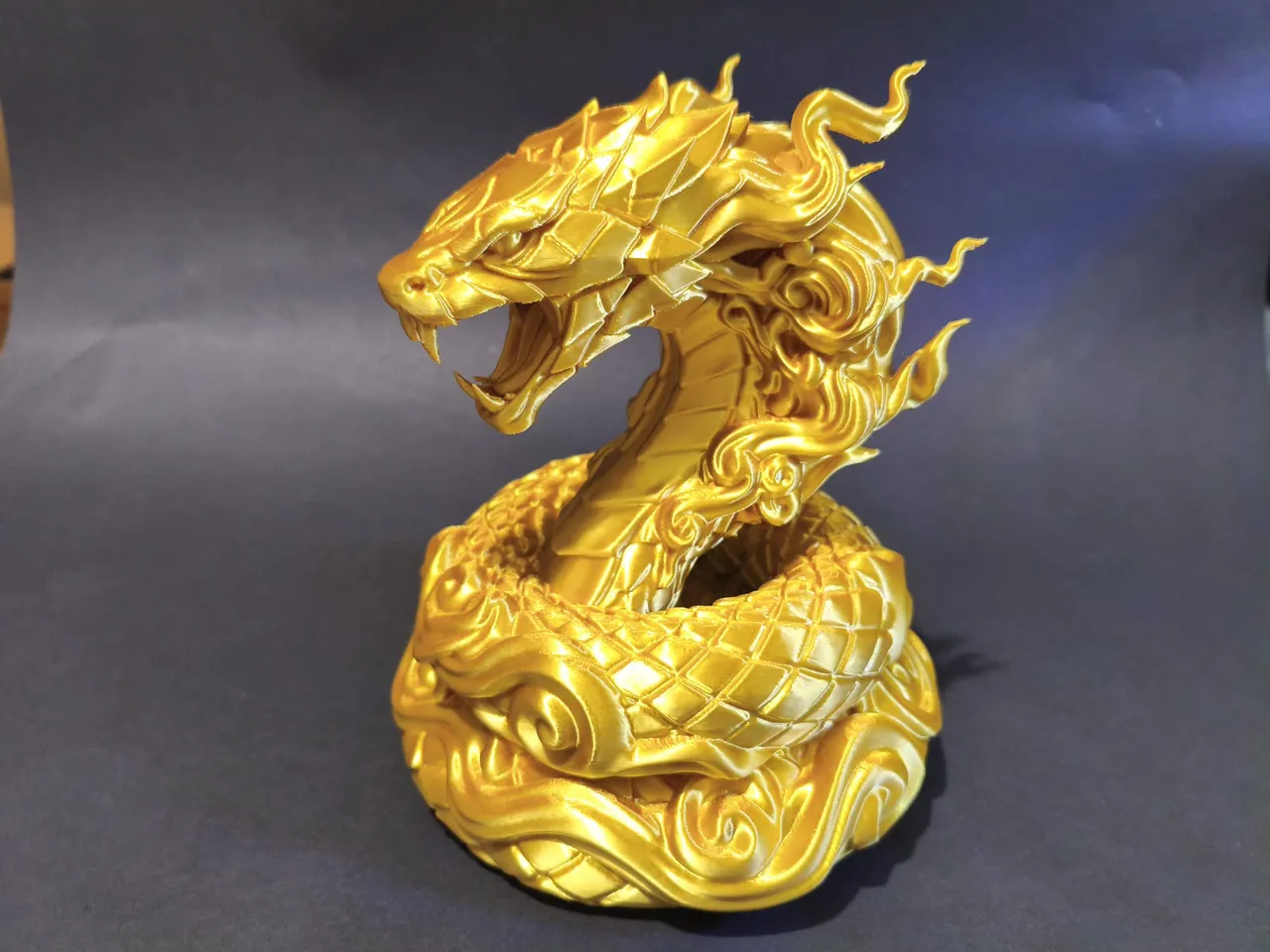
What you can send
Most 3D formats work. If you have a choice, here’s what each one is best for:
- STL — the most common format; fine for decorative and most functional parts.
- 3MF — keeps units and settings; the best choice if you’ve already prepared the model in a slicer.
- STEP — preferred for mechanical parts, because it keeps exact geometry and lets me adjust dimensions or tolerances.
- OBJ — works too, mainly for models exported from sculpting software.
No 3D model? That’s fine. I can design the part from a sketch with dimensions, from photos with a ruler in the frame, or from a broken original. I model mechanical parts in Fusion 360 and SolidWorks, and organic shapes — figures, reliefs, decorative pieces — in Blender. Design work is quoted separately from printing, so you always see what you’re paying for.
Large files are easiest to send as a WeTransfer or Google Drive link.
Materials
PLA Most popular
Best for: decorative items, figures, prototypes and parts used indoors.
Avoid for: heat above about 55 °C, full sun, outdoor use.
PETG Durable
Best for: functional and outdoor parts, contact with water, mounts under constant load.
Avoid for: models where very fine surface detail matters most.
ABS Heat resistant
Best for: parts near heat sources, car interiors, parts that will be sanded or painted.
Avoid for: large flat parts, which can warp as they cool.
TPU Flexible
Best for: gaskets, bumpers, protective covers, grips — anything that should bend.
Avoid for: parts that need to stay rigid.
Not sure which one fits? Tell me what the part does and where it will be used — choosing the material is part of the quote.
Specifications
- Technology
- FDM (filament printing)
- Max. part size
- 25 × 25 cm in one piece — larger models are split and joined
- Layer height
- 0.1–0.3 mm, chosen for each part
- Tolerance
- typically ±0.2–0.3 mm
- Quantity
- single pieces to short runs of a few dozen
- Lead time
- typically 2–5 business days after you approve the quote
- Colors
- wide range — tell me what you need
What I check before printing
A file that looks right on screen doesn’t always print right. Before quoting, I go through the things that most often cause failed or weak parts:
- Wall thickness — walls thinner than the nozzle can print simply disappear.
- Orientation — FDM parts are weakest between layers, so load-bearing parts are oriented so the force doesn’t pull the layers apart.
- Tolerances — holes and fits are adjusted so they actually fit, not just match the drawing.
- Supports and overhangs — where supports will leave marks, and whether that matters for your part.
- Infill and walls — set for the job the part will do, not left at slicer defaults.
If something needs changing, I’ll explain what and why and suggest a fix. You decide.
What I don’t do
To save you time, here’s what’s outside my workshop:
- Resin (SLA/MSLA), metal or nylon printing — I work only with FDM and the four materials above.
- Certified parts — medical, aerospace or safety-critical automotive components.
- Models whose licence doesn’t allow printing them for you.
- Weapons or weapon parts.
About me

I’m Mateusz, and I’ve been 3D printing for over seven years — first as a hobby, now running my own workshop, Drukuje3D.com, in Poland. I learned the craft hands-on, building and calibrating my own printers, and then through courses in modelling and print preparation. I prepare prints in PrusaSlicer and Bambu Studio.
This 3D printing service is a one-person workshop, so you deal with me directly — no sales department and no ticket system. The rest of this website is in Polish, but everything you need to order a print is on this page, and I’m happy to handle the whole order in English.
Frequently asked questions
How much does a 3D print cost?
It depends on the amount of material, the print time and how much post-processing the part needs. Small parts are usually inexpensive; large or dense ones cost more. Send the file and you’ll get an exact price — the quote is free.
Do you ship outside Poland?
Shipping options and costs are confirmed individually with each quote. Tell me your delivery country when you get in touch.
Can you print a model I found online?
Yes, as long as its licence allows it. Many free models on Printables or Thingiverse do; commercial or “no derivatives” licences may not.
Can I get a test print before a larger order?
Yes. For parts that need to fit something, I often print just the critical section first — it’s quick and inexpensive, and it saves reprinting the whole part.
Are my files kept private?
Yes. Your files are used only to make your order. I don’t share them or show your parts as examples without your permission, and I’m happy to sign an NDA.
Free quote
Send your file, get a free quote
Email your file along with:
- the material, or what the part will be used for
- quantity and color
- your deadline
- your delivery country
Quotes are free and non-binding. I usually reply the same business day.
What happens next
- You send the fileand a few details — or just a description of the idea.
- I reply with a quoteprice, lead time and a material suggestion, or questions if something in the model needs clarifying. Usually the same business day.
- You approve, I printthe part goes on the printer; typical lead time is 2–5 business days.
- Checked and packedevery part is inspected before it leaves the workshop.
No file yet? A few sentences about what you need are enough to start.